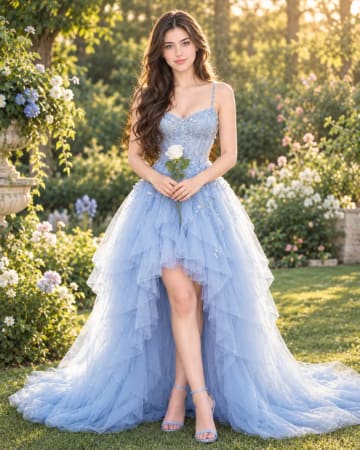
AI-edited example image for demonstration purposes.
Luxury Car Golden Hour Editorial Portrait Prompt
Aspect Ratio
Select before copying
This prompt creates a photorealistic portrait of the user seated inside a dark luxury car, combining a black luxury outfit, aviator sunglasses, wristwatch, and warm golden-hour light. Its strongest visual direction comes from treating the uploaded personal photo as the identity anchor while using the reference image only for pose, styling, environment, and photographic mood.
Create a highly realistic, premium cinematic editorial portrait of ME, using my uploaded personal photo as the PRIMARY IDENTITY REFERENCE. IDENTITY — ABSOLUTE PRIORITY Use my uploaded personal photo strictly for my identity. Preserve my exact facial identity and recognizable appearance: * exact face shape and facial proportions forehead, cheekbones, jawline and chin exact eyes, eyebrows and eye spacing exact nose shape and proportions exact lips and mouth structure natural beard/stubble pattern natural skin texture and complexion authentic age and masculine facial characteristics natural hairline and overall facial proportions Do NOT replace my face with the man from the reference image. The reference image is ONLY for the visual concept, pose, styling, composition, lighting, environment and photography aesthetic. The final person must clearly look like me not like the reference model. POSE & COMPOSITION Recreate the same sophisticated luxury-car pose from the reference. Show me seated comfortably inside a premium dark-colored luxury car, with the driver's-side door/window area visible. My upper body should be positioned in a relaxed three-quarter orientation toward the camera. One arm should rest naturally along the car door/window edge, with the forearm clearly visible. A realistic premium wristwatch should be worn on the wrist. My other arm should remain naturally positioned, creating a relaxed and confident seated posture. Head slightly turned toward the camera, with a calm, serious and confident expression. Eyes looking naturally toward the camera through the sunglasses. The pose should communicate: confidence, sophistication, masculine elegance, luxury and effortless style. Frame the image as a medium close-up / upper-body fashion portrait, keeping the head, shoulders, torso, arm and part of the luxury car clearly visible. HAIR Recreate a stylish masculine hairstyle: thick dark brown to deep brown hair naturally voluminous top hair swept upward and slightly backward textured individual strands slightly tousled but professionally styled realistic hair density subtle highlights from sunlight natural hairline Avoid artificial-looking or overly perfect hair. SUNGLASSES Add premium dark aviator-style sunglasses similar to the reference. The sunglasses should have: dark smoked lenses thin metallic frame realistic reflections accurate lens proportions natural placement on the face subtle reflections of the surrounding environment The sunglasses must fit naturally according to my actual facial proportions. OUTFIt Dress me in a premium, fitted black luxury casual jacket/shirt with a sophisticated masculine fashion aesthetic. The garment should be slightly open at the upper chest, creating the same relaxed luxury styling as the reference. Show realistic subtle chest/neck skin where naturally visible. Fabric should have: premium dark black texture realistic folds natural highlights detailed stitching physically accurate material behavior tailored but relaxed fit Add a realistic luxury wristwatch with a metallic/dark strap and detailed watch face. CAR / ENVIRONMENT Place me inside a premium modern luxury automobile with a dark interior. Visible environmental details should include: dark leather interior car window/door frame subtle reflections on the exterior bodywork premium dashboard/interior elements realistic automotive materials deep shadows inside the cabin The background outside the car should be softly blurred and appear like an upscale urban environment. Use strong shallow depth of field so that my face remains the primary focal point. LIGHTING Use warm cinematic late-afternoon / golden-hour sunlight. Lighting should resemble a high-end automotive fashion photoshoot: warm sunlight falling naturally across the face soft highlights on hair subtle rim light around the head and shoulders realistic shadows under the jaw and sunglasses gentle highlights on the skin subtle reflections on sunglasses natural contrast between the bright exterior and dark car interior The lighting should feel completely photographic and physically realistic. Avoid artificial studio lighting. PHOTOGRAPHY STYLE Ultra-realistic professional luxury fashion photography. Premium cinematic editorial aesthetic. Shot with a professional full-frame camera and high-end portrait lens. Use realistic optical depth of field natural lens compression subtle cinematic bokeh realistic skin rendering detailed hair strands realistic fabric texture accurate reflections natural shadow transitions high dynamic range crisp subject detail subtle filmic color grading The image should look like an expensive luxury automobile/fashion campaign rather than an AI-generated picture. COLOR & MOOD Overall visual mood: luxury + masculine + sophisticated + cinematic + confident + mysterious Color palette deep blacks warm golden highlights natural skin tones dark metallic automotive tones subtle brown/gold environmental tones Maintain realistic colors without excessive saturation. CAMERA & FRAMING Portrait orientatin Composition should be optimized specifically . Keep my head and upper body properly positioned within the frame with enough breathing room around the hairstyle. Use a natural eye-level / slightly low cinematic camera perspective. The face should remain the strongest visual focal point. Professional editorial framing with balanced negative space. REALISM REQUIREMENTS Make the image look like a genuine photograph captured on location. Preserve: realistic skin pores fine facial texture natural beard/stubble detail realistic hair strands authentic fabric texture physically correct hands anatomically correct fingers realistic wristwatch natural sunglasses reflections realistic car reflections natural lighting falloff realistic depth of field Do not over-smooth the face. Do not make the skin plastic, waxy or overly retouched. The final result should look like a real premium photograph of me FINAL INSTRUCTION Generate a photorealistic vertical luxury automotive editorial portrait of ME, preserving my uploaded photo as the exact identity reference while recreating the reference image's sophisticated seated car pose, black outfit, aviator sunglasses, premium wristwatch, warm golden-hour lighting, dark luxury car environment, shallow depth of field and cinematic high-end fashion photography aesthetic. Identity accuracy is more important than styling accuracy. The final image must unmistakably look like me., aspect ratio 4:5
How to Use This Prompt
Step 1: Copy the prompt using the Copy button above.
Step 2: Open your preferred AI tool (ChatGPT, Midjourney, Leonardo AI, Gemini, or Stable Diffusion).
Step 3: If the tool supports reference images, upload your photo first, then paste the prompt.
Step 4: Select the recommended aspect ratio before generating.
Step 5: Adjust keywords like clothing color, background, or lighting to personalize the result.



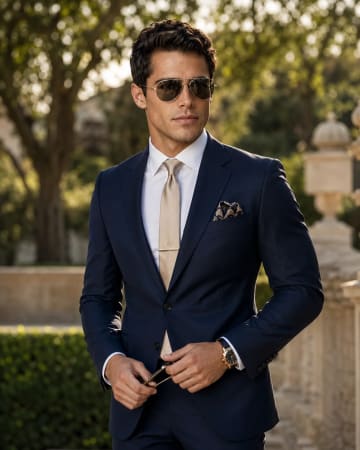 Premium Navy Suit Garden Editorial Portrait PromptPremium Navy Suit Garden Editorial Portrait Prompt